
Achilles Tendinitis in Children
Symptoms, Causes, and Treatment of Pediatric Achilles Tendinitis
What is Achilles Tendinitis in Children?
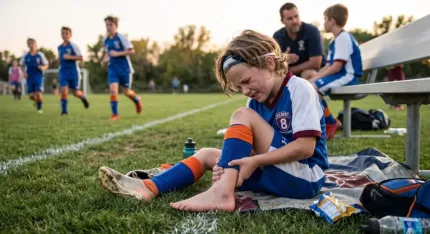
The Achilles tendon runs along the back of the lower leg to connect the calf muscles to the heel bone. When it becomes inflamed, the condition is known as Achilles tendinitis. It is a fairly common condition, typically caused by overuse. Although most often seen in adults, Achilles tendinitis also affects children, particularly older kids who participate in sports.
Trusted Pediatric Foot & Ankle Care • Thousands of children treated by Dr. Mikkel Jarman, DPM, FACFAS
Signs & Symptoms your child should be evaluated

When Achilles Tendinitis Should Be Checked by a Specialist
The most common early sign of Achilles tendinitis is heel pain. This pain often strikes first thing in the morning, when the child first puts weight on their foot. But it also occurs after the child has been running or playing sports.
Other Achilles tendinitis symptoms include:
- Swelling and/or knots in the Achilles tendon
- Creaking sounds when you massage or move the tendon
- Shooting pain when you point the foot
- Weakness in the leg
- Pain when wearing shoes, particularly if they're too tight
In adults, tendinitis may be confused with Plantar Fasciitis, and in kids, Sever’s Disease. It is important for your podiatrist, or pediatric podiatrist, rules these out first since these conditions are much more common than Achilles tendinitis.
What Causes Achilles Tendinitis in Children?
- Overuse – Repeated strain on the Achilles tendon through activities like running, jumping, or sports can lead to inflammation and irritation over time. Children who increase activity levels or intensity too quickly are at risk.
- Tight calf muscles – Inflexible or tight calf muscles put extra strain on the Achilles tendon. Limited ankle flexibility and range of motion contributes.
- Flat feet – Children with flat feet or overpronation place more stress on the Achilles tendon. The tendon has to stretch further with each step.
- Improper footwear – Shoes that lack proper arch and heel support increase tension on the Achilles. Rigid, unsupportive shoes are problematic.
- Growth spurts – Rapid growth phases where bones lengthen faster than muscles/tendons can lead to imbalance and inflammation. The Achilles can’t keep up.
How Is Achilles Tendinitis Diagnosed?
Dr. Jarman begins by taking your child’s medical history and conducting a thorough examination. Typically, he asks the child a number of questions, including whether they feel pain and when pain is worse.
If he believes your child has tendinitis, he may order diagnostic tests, such as x-rays or an MRI, to determine whether the tendon is torn.
Your Child's Visit - What to expect
Our Achilles Tendinitis evaluations are:
- -Gentle and child-friendly
- -Based on age, activity level, and symptoms
- -Focused on function—not just appearance
The visit may include:
- -Gait and posture analysis
- -Foot alignment evaluation
- -Muscle flexibility and strength testing
- -Digital X-ray Imaging, when necessary
Parents are fully involved in the discussion and decision-making. Our goal is to ensure at the end of appointment you have the following:
- An accurate diagnosis of your child’s foot condition, or at least a list of possible differentials understanding of this diagnosis . Understanding of ALL available treatment options.
It is often encouraged to record this initial encounter as the amount of information can feel overwhelming.


Treating Achilles Tendinitis
To begin, Dr. Jarman usually recommends resting the affected leg. This typically means abstaining from the activity that likely caused the problem. Ask Dr. Jarman about non-weight-bearing exercises like biking and swimming.
Resting allows the tendon time to heel. The doctor may also recommend:
- Stretching exercises
- Shoe inserts called orthotics
- Apply ice or cold packs
- Taping or wrapping the tendon and ankle
- Elevating the foot
- Over-the-counter medications to manage inflammation
- Physical Therapy
- A walking boot or soft cast
Surgery is rarely needed to treat Achilles tendinitis in children.
Why parent's choose dr. jarman
A Specialist Who Focuses on Growing Feet
- Dedicated pediatric foot & ankle care
- Experience treating infants through teens
- Evidence-based, conservative approach
- Clear communication with parents
- Friendly, kid-centered office environment
Your child’s feet are still growing, expert care matters.
Pediatric Achilles Tendinitis FAQ's
Your Child’s Feet Are Built for Life. We Help Keep Them That Way.


