
As parents, you’ll do anything to keep your child comfortable, active, and pain-free. When it comes to foot health, one common question is whether to choose custom orthotics or drugstore insoles.
While both options can improve comfort, they serve very different purposes and understanding those differences ensures your child gets the right care from the start.
Understanding Pediatric Orthotics
At Pediatric Foot & Ankle, orthotics are often the first line of treatment for resolving pediatric foot pain and gait concerns.
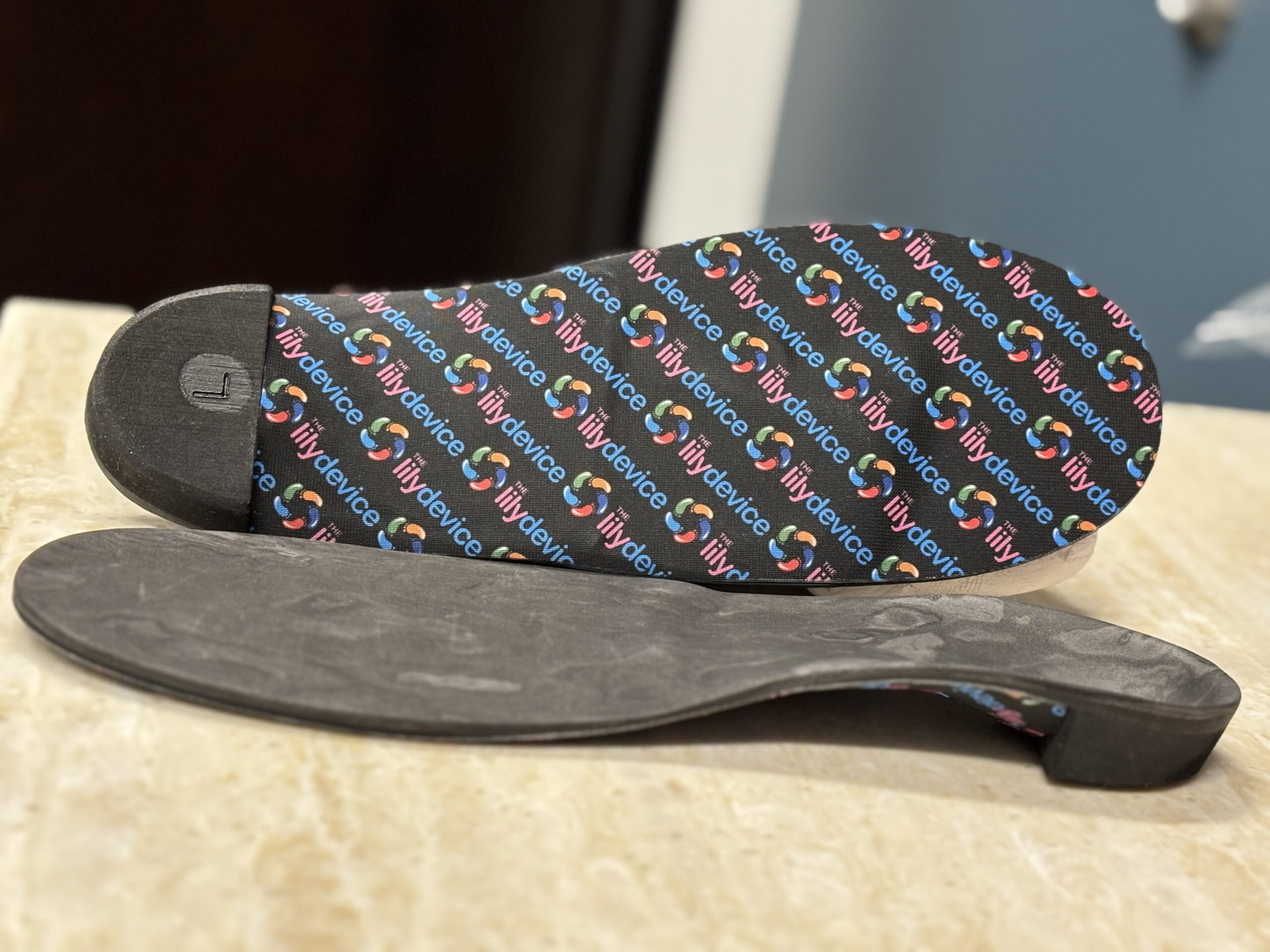
These custom-made devices are designed specifically for your child’s feet correcting the cause of discomfort, not just cushioning it.
Common conditions that benefit from custom pediatric orthotics include:
-
Sever’s Disease (Heel Pain): offloads heel pressure and supports healing (e.g. the Mikki Device™)
-
Sesamoiditis: reduces forefoot pressure and inflammation
-
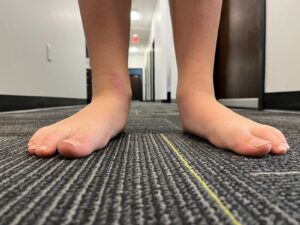
Flat Feet (Pronation): realigns the foot, reduces fatigue, and prevents overuse injuries
-
In-Toeing (Pigeon Toes): encourages out-toe rotation and stabilizes gait
Custom orthotics for Sever’s Disease have up to a 95% success rate within 4–6 weeks — often covered by insurance.
Condition-Specific Orthotic Solutions
Unlike drugstore inserts, custom orthotics are prescribed and molded to address a diagnosed problem, not a general ache.
Each device is made to control motion, correct alignment, and provide long-term comfort especially important for growing children who play sports or spend hours on their feet.
The Custom Orthotics Casting Process
At Pediatric Foot & Ankle, we use the STS Sock Casting Method an advanced, distortion-free molding system that captures your child’s exact foot shape.
This precision ensures:
-
A perfect, comfortable fit
-
No slow break-in period
-
Immediate, lasting relief
The accuracy of this method helps your child feel results faster and supports long-term correction.
Are Prescription Orthotics Really Superior?
Yes. While drugstore insoles like Dr. Scholl’s or PowerStep may provide temporary relief, they can’t match the tailored support of prescription orthotics.
Drugstore insoles are mass-produced and not designed to correct pediatric conditions such as Sever’s Disease or flat feet.
They’re a short-term option if your insurance doesn’t cover orthotics but not a substitute for proper treatment.
Always consult a pediatric podiatrist to determine the best solution based on your child’s diagnosis, activity level, and budget.
Pediatric vs. Adult Orthotics
Children’s feet are not just smaller versions of adult feet they grow, move, and function differently.
Pediatric orthotics are made with flexibility and growth in mind, usually three-quarter length to fit into sports shoes and sneakers.
They also feature a deeper heel cup to stabilize growth plates something many general labs can’t accommodate.
This is why choosing a provider like Pediatric Foot & Ankle is essential for proper long-term results.
The Role of Anti-Inflammatories
To make the transition into orthotics easier, our specialists may recommend a short course of anti-inflammatories.
This helps reduce swelling and ensures your child adapts comfortably to their new orthotics.
Why Choose Pediatric Foot & Ankle
At Pediatric Foot & Ankle, our board-certified specialists including Dr. Mikkel Jarman focus exclusively on children’s foot and ankle care.
We provide comprehensive treatment plans that include:
-
Custom orthotics and braces
-
Condition-specific rehabilitation
-
Sports injury management
-
Long-term growth monitoring
Our goal: help your child move pain-free and confidently at every stage of development.
Schedule an Appointment
If your child is experiencing foot or heel pain, don’t settle for over-the-counter fixes.
Custom pediatric orthotics provide the support, alignment, and relief your child needs to stay active and healthy.
Schedule your visit with Dr. Jarman at Pediatric Foot & Ankle to explore personalized solutions for your child’s comfort and long-term mobility.